The Department of Justice has sided with Texas in its ongoing redistricting fight, arguing that the state’s newly approved congressional map is not an unconstitutional racial gerrymander. In an amicus brief, Solicitor General John Sauer said the lower court erred in blocking the map and urged the Supreme Court to overturn that ruling. Sauer argued that Texas lawmakers adjusted several districts for political advantage, not racial reasons, and insisted the evidence overwhelmingly supports partisan, rather than discriminatory, motives. He also defended an earlier letter from Civil Rights Division chief Harmeet Dhillon, which critics claimed revealed racial intent behind the redistricting process.
Plaintiffs in the case — including voting and immigrant rights groups — contend the DOJ letter encouraged the dismantling of “coalition districts” that typically favor Democrats, arguing it pushed Texas to alter districts by race. Texas officials say the lower court misinterpreted both the letter and the Legislature’s intentions. The dispute unfolds as multiple states revise congressional maps ahead of the 2026 midterms. California, Utah, Virginia, Louisiana, Missouri, and Indiana all face redistricting battles that could affect partisan control of the House.
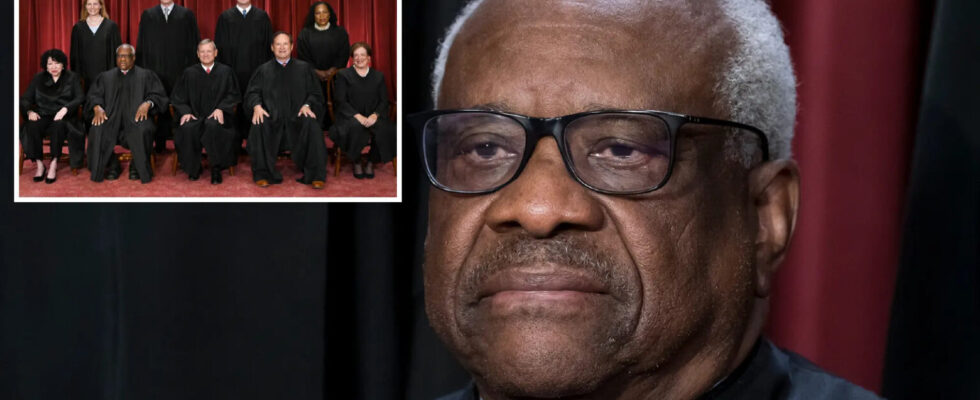
Texas has asked the Supreme Court to stay the lower court’s 2–1 ruling that race improperly influenced its map. Justice Samuel Alito has already issued an administrative stay, and the Court may soon decide whether the new Texas map can be used as candidates begin filing for the 2026 elections.