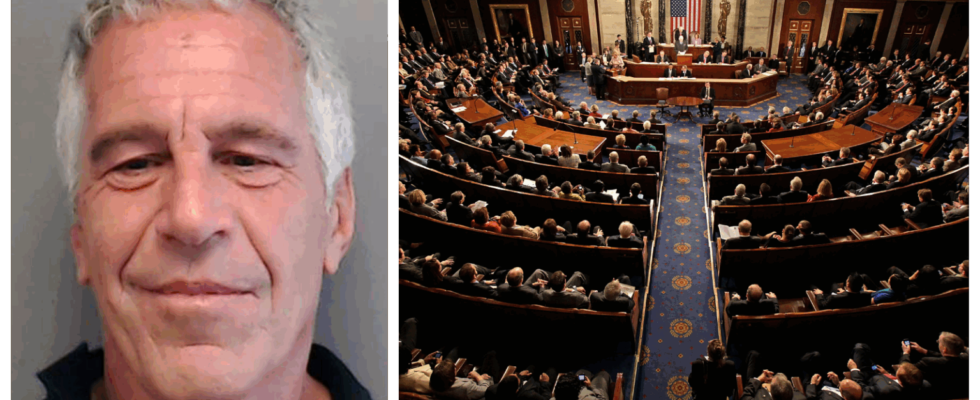
Former Harvard University president Larry Summers announced he will scale back his public commitments after the release of seven years of correspondence between him and financier Jeffrey Epstein. The messages, disclosed by the House Committee on Oversight and Government Reform, showed that Summers continued communicating with Epstein as late as July 5, 2019—one day before Epstein’s arrest and years after his conviction. According to reports, Summers expressed trust in Epstein and even sought his advice regarding a romantic pursuit, with one message showing Epstein calling himself Summers’ “wing man.” In a statement to The Harvard Crimson, Summers said he was “deeply ashamed,” accepted full responsibility, and explained that stepping back from public life was part of his effort to rebuild trust with those close to him.
Despite the controversy, Summers will continue in multiple roles, including senior fellow at the Center for American Progress, columnist for Bloomberg News, OpenAI board member, and Harvard professor. His spokesperson confirmed he will maintain his teaching and leadership duties at Harvard’s Mossavar-Rahmani Center for Business and Government while reducing outside engagements. Summers said these steps reflect a broader attempt to repair relationships and restore confidence in his judgment following the revelations.
In a separate development, Rep. Jamie Raskin (D-MD) is under fire for releasing private prison emails written by convicted trafficker Ghislaine Maxwell. Attorney Leah Saffian, representing Maxwell, called the disclosure an abuse of power, noting that several Federal Prison Camp Bryan employees were fired for improperly accessing the emails. She argued that both the leak and Raskin’s publication violated Maxwell’s constitutional rights. The emails, which described improved conditions and safety at her current facility, have fueled debate over prisoner privacy and government accountability.