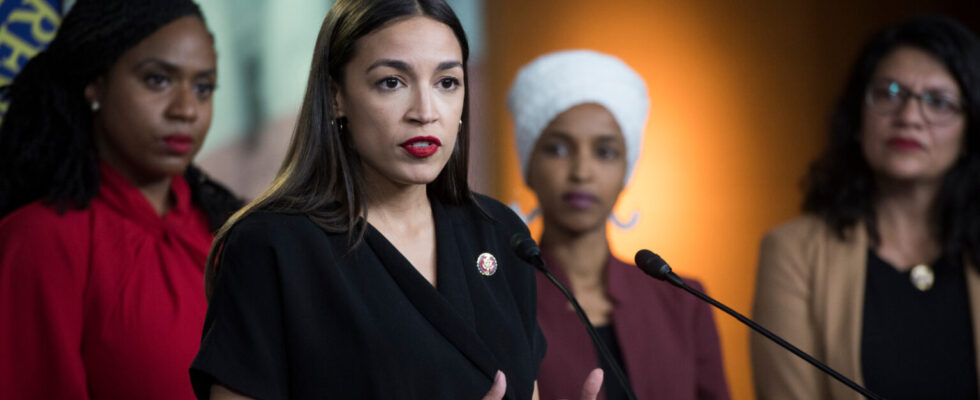
New York Democratic Rep. Alexandria Ocasio-Cortez and the broader socialist wing of the Democratic Party have faced notable setbacks over the past week. Just before New York City Mayor-elect Zohran Mamdani traveled to Washington for his first meeting with President Donald Trump, the U.S. House of Representatives passed a bipartisan resolution condemning what it described as the “horrors of socialism.” Republican Rep. French Hill of Arkansas said the vote should have been an easy decision, arguing that the resolution simply denounced socialism in all its forms and opposed the implementation of socialist policies in the United States. The measure passed 285–98, with 86 Democrats voting in favor, including 14 members from New York and New Jersey and House Minority Leader Hakeem Jeffries, who endorsed Mamdani only at the final stage of the mayoral race.
The vote intensified frustration among progressives who have criticized House Democrats for refusing to elevate Ocasio-Cortez while continuing to rely on long-serving party leaders. Several left-leaning commentators accused party leadership of clinging to seniority and consultants at the expense of younger, more effective voices. Progressive media figures argued that Democrats are failing to embrace generational change and are sidelining some of their strongest communicators, a pattern they say contributed to the party’s current struggles.
Meanwhile, Mamdani and Ocasio-Cortez are seen as energizing a growing socialist movement that some believe could threaten Democrats ahead of the 2026 midterms. Analysts warn that additional candidates openly aligned with socialism are running in safe Democratic districts, driven by a belief among grassroots progressives that the party establishment is deeply corrupt. This dynamic is also shaping races in California and New York, where younger progressive challengers are taking on establishment figures, raising concerns among moderates about internal divisions and the party’s future direction.